If you’re wondering about claymation how it is made, the answer is patient repetition. Clay figures sit on wire skeletons, get photographed, are nudged slightly and photographed again. Played back fast, those stills look alive.
This guide is one part of our wider overview of animation techniques, where stop motion sits alongside other methods.
| Item | Value |
|---|---|
| Normal film speed | 24 frames per second |
| Figure changes per second of film when shooting on twos | 12 changes |
| Stops needed for a 30-minute movie on twos | approximately 21,600 stops |
| Stops needed for a 90-minute movie on twos | 64,800 stops |
| Year plasticine was developed | 1897 |
These figures come from Wikipedia’s Claymation entry. They can change as sources are updated, so check the source before you rely on them.
What claymation actually is
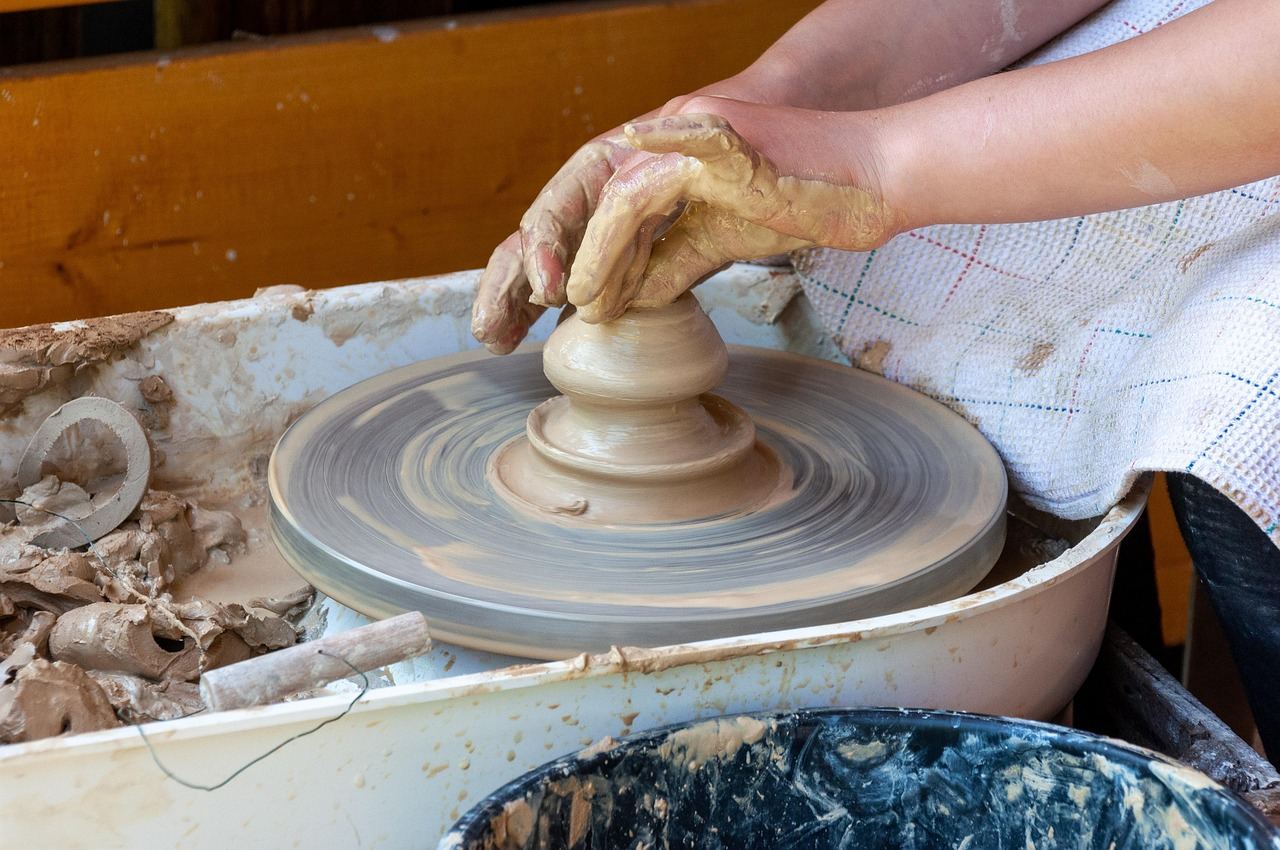
Claymation, sometimes called clay animation or plasticine animation, is one of many forms of stop-motion animation, according to Wikipedia. The characters and backgrounds can be reshaped by hand, and the material is usually plasticine.
Like other traditional animation, it records each frame on film or digital media and plays the frames back in quick succession. Moving images create the illusion of motion by playing back at over ten to twelve frames per second, Wikipedia notes. For how speed affects the look of movement, see our explainer on animation frame rate.
The material matters. No Film School describes plasticine as a putty-like material made from calcium salts, petroleum jelly and aliphatic acids, and says it never dries, so the same lumps can be reshaped into new expressions and angles.
How claymation is made, step by step
Every clay project follows the same loop, whatever its size. The steps below combine the process described by Wikipedia and No Film School.
- Plan the film. Storyboard the shots and lock the script, with voices already recorded, so you know how each mouth and inflection must move.
- Build the armature. Bend a wire skeleton, then sculpt the clay around it so the figure can hold a pose.
- Set up the stage. Place the sets and figures and light them, because objects must be consistently placed and lit from frame to frame.
- Shoot, nudge, repeat. Photograph the figure once, move it slightly by hand, then photograph it again.
- Play it back. Run the frames in sequence and the small changes read as continuous motion.
Wikipedia describes the armature as a wire skeleton, with each figure photographed once before being slightly moved by hand, as in the Technique section. No Film School stresses that the script is locked and voices recorded before animating begins.
If you assemble your frames on a computer, our guide to the best animation software for beginners is a sensible place to compare tools.
Why does claymation take so long?
Normal film runs at 24 frames per second, and clay animators commonly shoot on “twos”, exposing two frames for each pose. That means 12 changes to the figures for every second of film, as Wikipedia explains.
The totals climb quickly. A 30-minute movie needs approximately 21,600 stops, while a 90-minute feature needs 64,800 stops, and possibly many more if some parts are shot on “singles”, per Wikipedia.
Every pose also has to survive until the next one. The clay must not be altered by accident through slight smudges, dirt, hair or dust, Wikipedia warns.
Animators call a set where filming is under way a hot set. Nobody is allowed to touch it, or the shoot would be ruined.
Because of this workload, feature-length productions have generally switched from clay to silicone and resin cast parts. Will Vinton named one foam-rubber process “Foamation”, and clay remains viable where a particular look is wanted, according to Wikipedia.
Laika took another route. StudioBinder reports the studio used 3D printing to develop thousands of potential facial expressions, then swapped one face for the next.
Types of claymation
Clay animation is not one single look. Wikipedia lists several variations:
- Freeform: the shape of the clay changes radically as the animation progresses.
- Strata-cut: a loaf of clay packed with varying imagery is sliced into thin sheets, with a frame taken of the end of the loaf for each cut. Oskar Fischinger pioneered it in the 1920s and 1930s, and David Daniels refined it in the mid-1990s in his 16-minute short film “Buzz Box” (Wikipedia).
- Clay painting: clay is placed on a flat surface and moved like wet oil paints, giving any style of image a clay look.
- Clay melting: a heat source is applied near the clay while a time-lapse camera slowly films it melting.
A short history of clay animation
William Harbutt developed plasticine in 1897. It became the favourite product for clay animators because, unlike normal clay, it did not dry and harden, Wikipedia says.
StudioBinder names The Sculptor’s Nightmare from 1908 as the first claymation film that has survived. It also credits Chicken Run, released in 2000, as the first claymation movie of feature length.
Television and studios carried the craft forward. The same StudioBinder history says Gumby arrived in 1955 and that Aardman Animations was founded in 1972, creating clay-based segments for television shows.
Frequently asked questions
What clay do animators use?
Show answer
Most choose plasticine, since it stays pliable between sessions. StudioBinder advises avoiding Play-Doh because it dries out too quickly.
Do I need an expensive camera to try it?
Show answer
No Film School says a camera and a computer are all you need to get started. Stability counts for more than gear, so pick an area without wind or background movement and make sure each piece stands up on its own.
Can I film one scene across several days?
Show answer
Try to avoid it. Humidity can deform clay puppets and air pressure can shift the set slightly, which is why Wikipedia says scenes normally have to be shot in one day or less.
Why shoot on twos?
Show answer
Holding each pose for two frames means you make half as many changes as there are frames. The trade-off is slightly less fluid motion than shooting a new pose for every single frame.
Is claymation the same as stop motion?
Show answer
Not quite. It is one branch of stop motion, set apart by figures that can be reshaped between frames, as Wikipedia describes.