
Animation Techniques
13 stories
-
2D Animation Explained: How Flat Worlds Come to Life
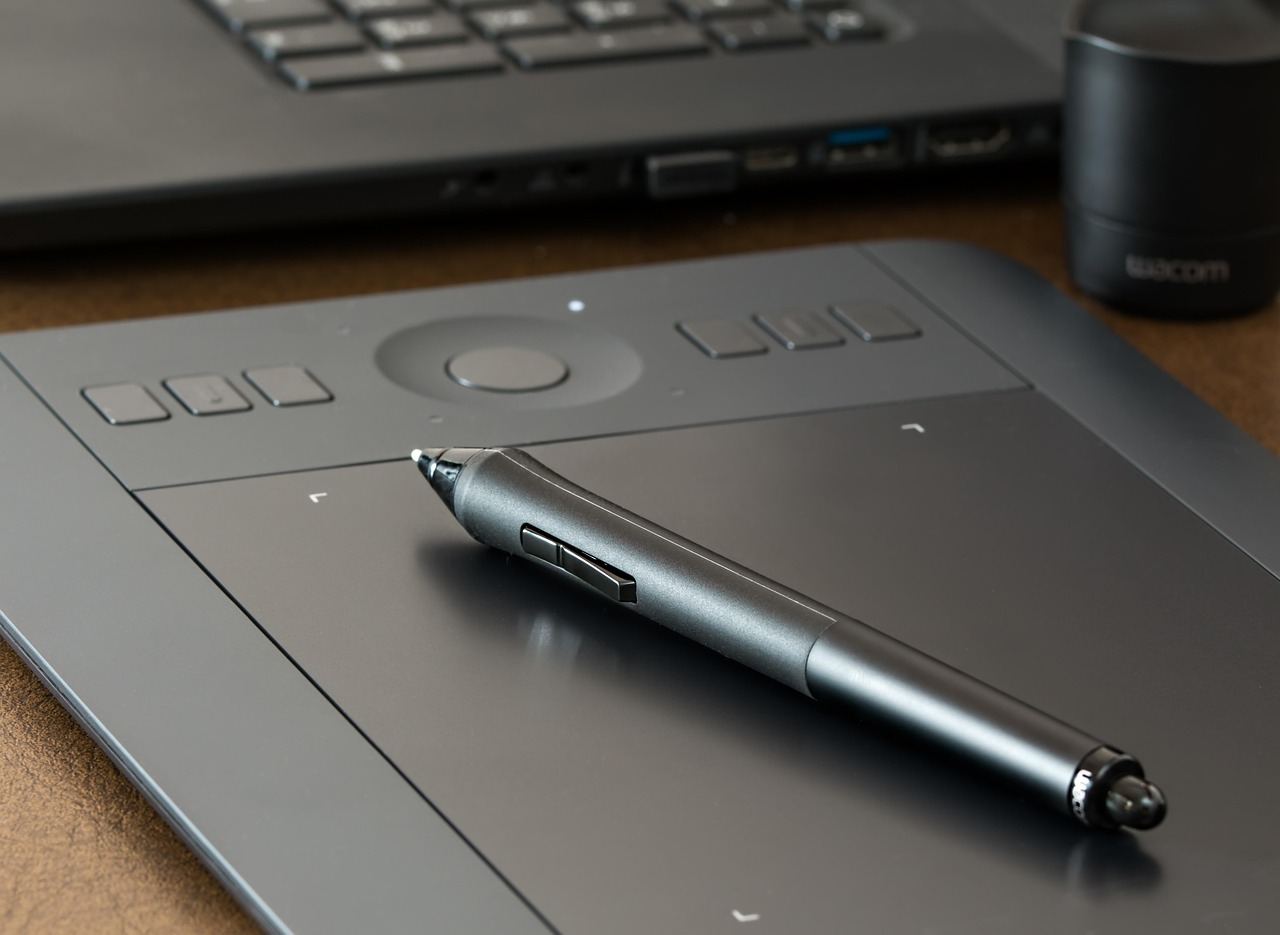
If you’re wondering what 2d animation really is, here is the short answer: flat, hand-drawn frames played in sequence, now usually finished on a computer. The steps below show how it comes together. This guide is part of our look at animation techniques, where each method gets its own explainer. These points come from the…
-

Claymation: How Clay Characters Are Animated
If you’re wondering about claymation how it is made, the answer is patient repetition. Clay figures sit on wire skeletons, get photographed, are nudged slightly and photographed again. Played back fast, those stills look alive. This guide is one part of our wider overview of animation techniques, where stop motion sits alongside other methods. These…
-

best animation software free — Animation Techniques
Want to start animating without paying a cent? The best animation software free of charge is Pencil2D for simple frame-by-frame work, Krita for painted frames and Blender for three-dimensional scenes. Pick by the style you want to make. This guide is part of our wider look at animation techniques, and it helps you choose a…
-

Rotoscoping: Tracing Live Action Into Animation
Wondering how rotoscoping works? It means tracing live-action footage frame by frame so your animated characters move realistically. You get lifelike motion, but it takes patience. Rotoscoping is one approach within the wider field of animation techniques. The table draws on Wikipedia’s rotoscoping entry and its Max Fleischer entry, which date the invention and the…
-

Choosing a Frame Rate for Animation: 12, 24 or 30 fps
Stuck choosing an animation frame rate? Start with 24 fps, the sound-film standard, and animate on twos, which gives you 12 drawings per second. Adjust only if your platform or client asks for something else. This guide is one part of our wider look at animation techniques, where timing choices sit beside other core methods.…
-

cutout animation — Animation Techniques
Want paper puppets that move on screen? Cutout animation shifts flat figures cut from paper, card or fabric a little at a time between photographs, and you can do it by hand or on a computer. Cutout animation is one of several approaches covered in the wider guide to animation techniques. Figures come from Wikipedia’s…
-

The 12 Principles of Animation With Examples
Struggling to make your animation feel alive? The 12 principles of animation are Disney’s twelve guidelines, from squash and stretch to appeal, for making movement believable. This guide explains each one with an example. This page sits within the wider field of animation techniques. These figures come from Wikipedia’s page on the twelve principles and…
-
pixel art animation — Animation Techniques
Learning pixel art animation can feel like juggling tiny frames and unfamiliar tools. Here is the short answer: draw one frame, add the next, preview often and tag your loops in a pixel-focused editor such as Aseprite. Frame-by-frame pixel work is one approach within our wider guide to animation techniques. These figures come from the…
-

How to Start Learning Animation From Zero
Not sure where to begin? The answer to how to start learning animation is small: animate a bouncing ball first, then build toward character acting one exercise at a time. This guide sits inside our wider look at animation techniques, and it is written for complete beginners. These figures come from the Blender Studio course…
-
whiteboard animation — Animation Techniques
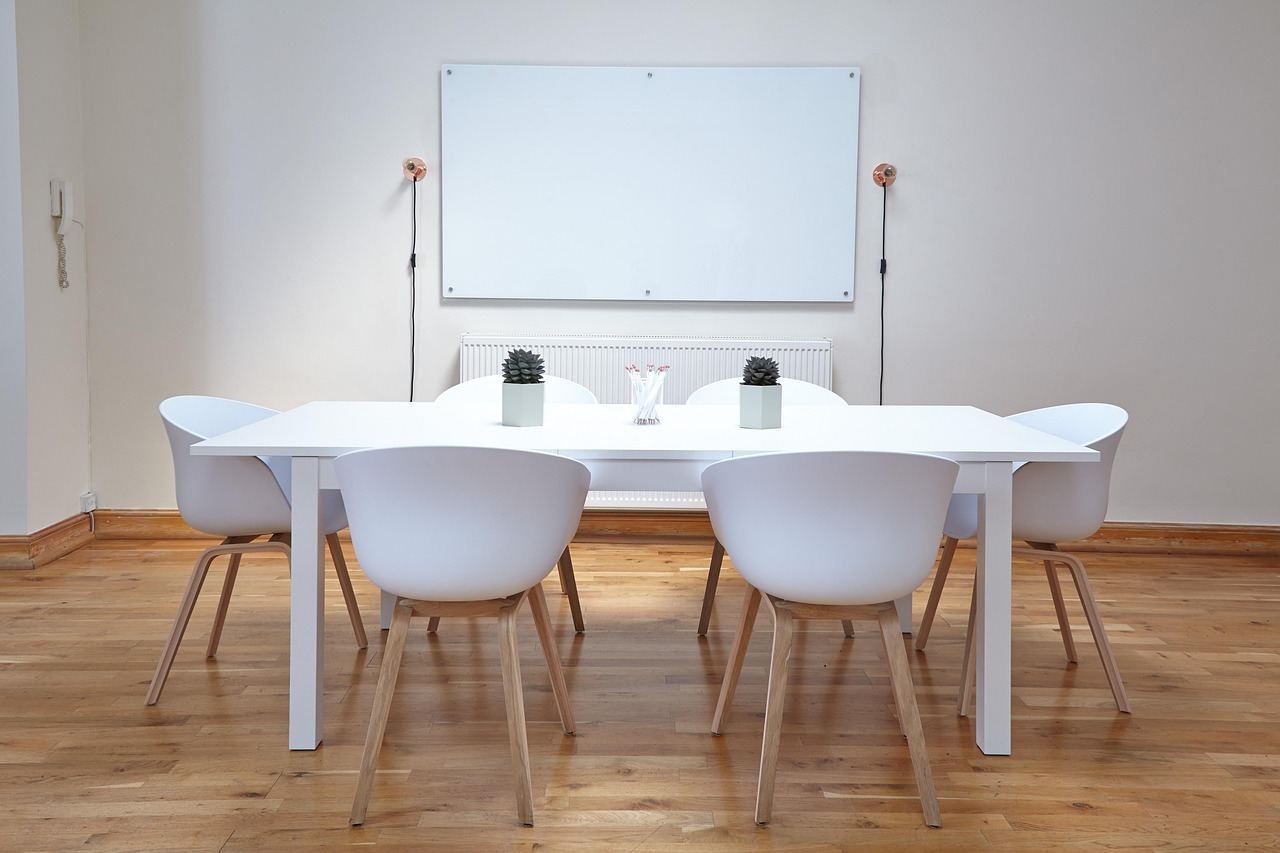
Wondering if whiteboard animation suits your explainer? You draw a story on a board, record it as time-lapse or stop motion, and add narration. It suits step-by-step ideas, though evidence that it teaches better than other formats is thin. This guide sits within the wider set of animation techniques on the site, alongside other ways…