Wondering how stop motion animation actually works? You photograph objects one frame at a time, nudging them slightly between shots, so that played back they seem to move on their own.
This guide sits inside our wider overview of animation techniques, where you can compare it with other ways of making images move.
| Item | Value |
|---|---|
| Other names for the technique | Stop frame animation or object animation |
| Most commonly animated objects | Puppets with movable joints or clay figures |
| Name when live actors are used | Pixilation |
| Plaster models in Plateau’s proposed stereoscopic plan | 16 plaster models |
| Celluloid film base established | 1888 |
| Estimated share of silent films that are lost | 80 to 90 percent |
These figures come from Wikipedia’s stop motion article. Encyclopedia entries get edited and historical estimates get revised, so check the source before you rely on them.
How stop motion animation works
The core idea is simple: stop motion is a technique in which objects are physically manipulated in small increments between individually photographed frames. When the series of frames is played back, the objects appear to exhibit independent motion or change, as Wikipedia’s stop motion entry explains.
Because every frame is its own photograph, the movement you see on screen never happened in one continuous take. It is assembled from many tiny increments, and your job is to decide how far each nudge goes before you shoot the next picture.
The same method serves both animated filmmaking and special effects. According to the same entry, any kind of object can be animated.
Materials and variants you can choose from
Although any object can be used, puppets with movable joints and clay figures are the most common choices, according to Wikipedia. The technique also has several named variants, depending on what sits in front of the camera:
- Puppet animation: puppets with movable joints.
- Claymation: clay figures.
- Model animation: puppets, models or clay figures built around an armature.
- Pixilation: stop motion with live actors.
- Cutout animation: flat materials such as paper, fabrics or photographs.
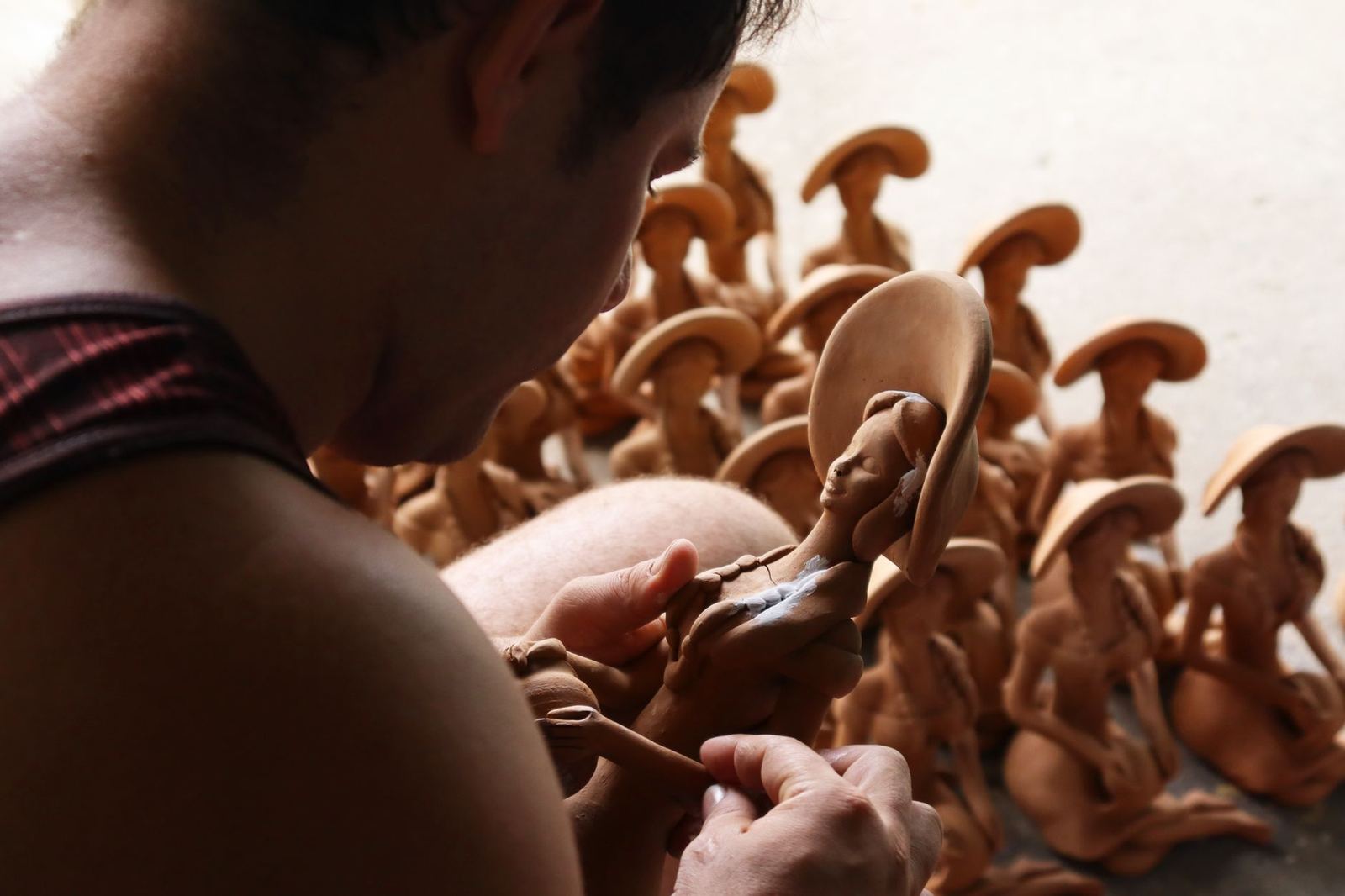
Picking a variant is mostly a question of what you already have and what you want the viewer to feel. A clay figure invites a different look from a flat paper cutout, even though the shooting method underneath is the same.
Does the hyphen in “stop-motion” matter?
Not for meaning in animation. Wikipedia notes that both the hyphenated and unhyphenated spellings are correct for the filmmaking technique.
The one wrinkle is that the hyphenated form also names a device for automatically stopping a machine or engine when something has gone wrong. That meaning has nothing to do with animation or cinema, so context settles it.
Stop motion is not time lapse
The two get confused because both turn many still photographs into moving footage. Wikipedia’s entry flags the distinction directly and describes time lapse as the combination of still photographs into a fast-moving video.
The practical difference is who controls the action. In stop motion you move the subject yourself between frames, which is why the result reads as deliberate animation rather than recorded change.
A short history of animating objects frame by frame
Animated objects have been part of film since the early days of cinema, according to Wikipedia. Before film, experimenters were already photographing or modelling objects in successive positions for viewing devices. A few milestones from the same source:
- In 1849, Joseph Plateau published a note about improvements to his Fantascope and concluded that 16 plaster models could be made for a stereoscopic version. Source: Wikipedia.
- In 1852, Jules Duboscq patented a stroboscopic disc. Long exposure times meant its sequence had to be assembled from separate photographs of the machinery’s positions. Source: Wikipedia.
- In 1860, Peter Hubert Desvignes received a British patent for cylindrical stroboscopic devices, much like the later zoetrope. Source: Wikipedia.
- In 1887, Étienne-Jules Marey created a large zoetrope using plaster models based on his chronophotographs of birds in flight. Source: Wikipedia.
- In 1888, celluloid film base was established and set the standard for the moving image. Source: Wikipedia.
Much of the silent-era record is gone. Wikipedia reports an estimate that 80 to 90 percent of all silent films are lost, which makes dating and identifying early stop motion work hard.
How it relates to other animation approaches
Stop motion works with physical things, while computer-built imagery works with digital ones. If you want to see the digital side, our guide to 3d animation is a good next read.
Whichever route you pick, thinking about how a character’s weight and timing read on screen helps. The 12 principles of animation give you a shared vocabulary for those choices.
Frequently asked questions
Is stop motion the same as claymation?
Show answer
No. Claymation is one branch, using clay figures, while the broader technique also covers puppets, models, live actors and flat cutouts.
Can people be animated with this method?
Show answer
Yes. When live actors are photographed and moved in tiny steps between frames, the result is usually called pixilation.
What other names does the technique go by?
Show answer
You will also see stop frame animation and object animation used for the same thing.
Why did early experimenters build sequences from separate photographs?
Show answer
Photographic emulsions of the period needed long exposures, so motion could not be captured live. Sequences had to be put together from pictures of each position.