Wondering if whiteboard animation suits your explainer? You draw a story on a board, record it as time-lapse or stop motion, and add narration. It suits step-by-step ideas, though evidence that it teaches better than other formats is thin.
This guide sits within the wider set of animation techniques on the site, alongside other ways of making drawings move.
| Item | Value |
|---|---|
| UPS whiteboard-style commercials launched | 2007 |
| UPS investment in its whiteboard videos | $35 million for nine videos |
| Earliest whiteboard animation videos on YouTube | 2009 |
| Views of the first 14 RSA Animate videos | 46 million views in 2011 |
| Recall gain reported for whiteboard visuals (Wiseman study) | 15% increase in information recall |
These figures come from Wikipedia’s whiteboard animation entry and a studio’s write-up at Idea Rocket. They can change, so check the sources before you rely on them.
What whiteboard animation actually is
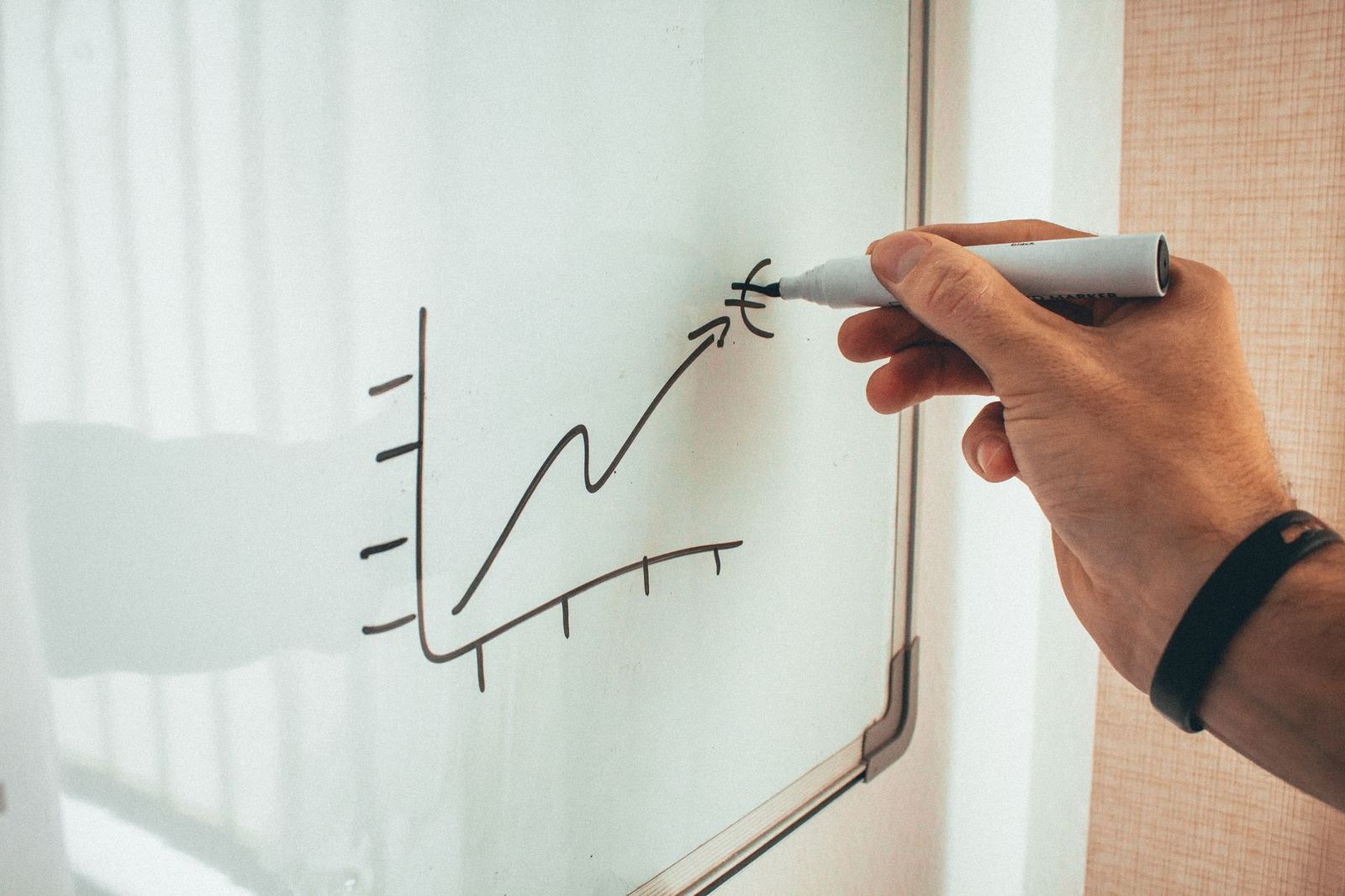
Whiteboard animation means an author draws an illustrated story with marker pens on a whiteboard or a similar surface and records it. Narration from a script usually accompanies the drawing, according to Wikipedia.
The finished effect is normally time-lapse or stop motion. True sequential frame-by-frame animation is rarely used in this style, though it has been incorporated at times, per the same entry.
Frame-by-frame drawing is where decisions about animation frame rate would come into play, so that guide is a useful side read.
You will also meet the names “video scribing” and “animated doodling” for closely related looks. The Idea Rocket history adds that the hand is sometimes filmed on camera and sometimes composed digitally to give the same step-by-step reveal.
Where did the style come from?
Idea Rocket says it is hard to name the very first whiteboard video, but easier to see when the look reached mainstream marketing. In 2007, UPS launched commercials showing a man sketching ideas on a whiteboard as he explained them. Those spots were live-action rather than animated in the traditional sense, yet they popularised the visual language.
The same Idea Rocket page reports that UPS invested $35 million to create just nine whiteboard videos. Treat that as a studio’s account rather than an audited figure.
On the web side, Wikipedia dates the earliest videos made in this style to 2009 on YouTube. They were mostly experimental at first, then grew into a storytelling device built around narratives and educational explanations.
The best-known educational run is RSA Animate. Wikipedia notes that studio Cognitive made the first 14 RSA Animate videos, which gained 46 million views in 2011 and put the RSA on the top-ranked nonprofit YouTube channel worldwide, as its entry puts it. Idea Rocket credits Andrew Park with creating those animated talks for the Royal Society for the Encouragement of Arts, Manufactures and Commerce, as described on its history page.
How a whiteboard animation gets made
The process starts with a topic, and scriptwriting follows once it is chosen. After the content exists, rough drafts of the animation set the creative direction and the timing of movement, per Wikipedia.
From there, the production flow it lists runs roughly like this:
- Compose the content.
- Record the voiceover.
- Make the starting animations.
- Organize the animations.
- Make guides.
- Record the video.
- Match up sound and video.
- Include music.
- Export and share.
That list is a guideline, not a fixed recipe. The same source says the steps are not set in stone, so reorder them if your project needs it.
Does whiteboard animation help people learn?
The evidence is mixed. A 2016 study summarised by Wikipedia found that, despite claims and high popularity, there is little to no compelling experimental evidence that these videos beat other forms of learning for learning, motivation or persuasion.
A studio sees it differently. Idea Rocket describes psychologist Richard Wiseman testing 1,000 participants, with one group watching a live-action explainer and another hearing the same narration over whiteboard visuals. Its page reports a 15% increase in information recall for the whiteboard group.
Those two claims point in different directions, and the second comes from a company that sells the style. Treat better recall as plausible but unproven, and judge your own video by whether viewers can follow it.
When the style is a good fit
According to Wikipedia, businesses and educators are the typical users. Its examples include:
- Teaching staff about company policies.
- Demonstrating new software or a product to consumers.
- Online language learning.
- Chapter summaries for textbooks.
- Public communication of academic scholarship.
The look is also flexible. Idea Rocket notes that studios have blended whiteboard techniques with traditional animation, keeping the clarity that made the format work, as covered in its history article.
Software has made the style easy to attempt, but Wikipedia warns that results now come in many forms of varying quality, a point made in its entry on the technique. If you want to test tools before committing, the roundup of best animation software for beginners is a sensible place to compare options.
Frequently asked questions
Is video scribing the same thing?
Show answer
Mostly, yes. Wikipedia lists video scribing and animated doodling as other terms for the same family of drawn-explainer videos.
Do I need a physical whiteboard?
Show answer
No. A hand can be filmed drawing, or it can be added digitally to produce the same unfolding effect, as Idea Rocket describes.
What should I do before I start drawing?
Show answer
Settle the topic and write the script first. Rough drafts of the motion then help you plan timing before any final recording.
Can the style carry colour?
Show answer
Yes. Some productions add limited colour for emphasis while keeping the white background and hand-drawn lettering, according to Idea Rocket.