Want paper puppets that move on screen? Cutout animation shifts flat figures cut from paper, card or fabric a little at a time between photographs, and you can do it by hand or on a computer.
Cutout animation is one of several approaches covered in the wider guide to animation techniques.
| Item | Value |
|---|---|
| Oldest surviving animated feature | The Adventures of Prince Achmed (1926) |
| Time Reiniger needed to make it | three years (1923 to 1926) |
| Frames per second of animation | 24 frames (some sources say 18 frames per second) |
| Reiniger’s career output | more than 40 films |
| Reiniger’s first directed film | Das Ornament des verliebten Herzens (1919) |
Figures come from Wikipedia’s pages on The Adventures of Prince Achmed and Lotte Reiniger. They can change as those pages are edited, so check the sources before you rely on them.
What is cutout animation?
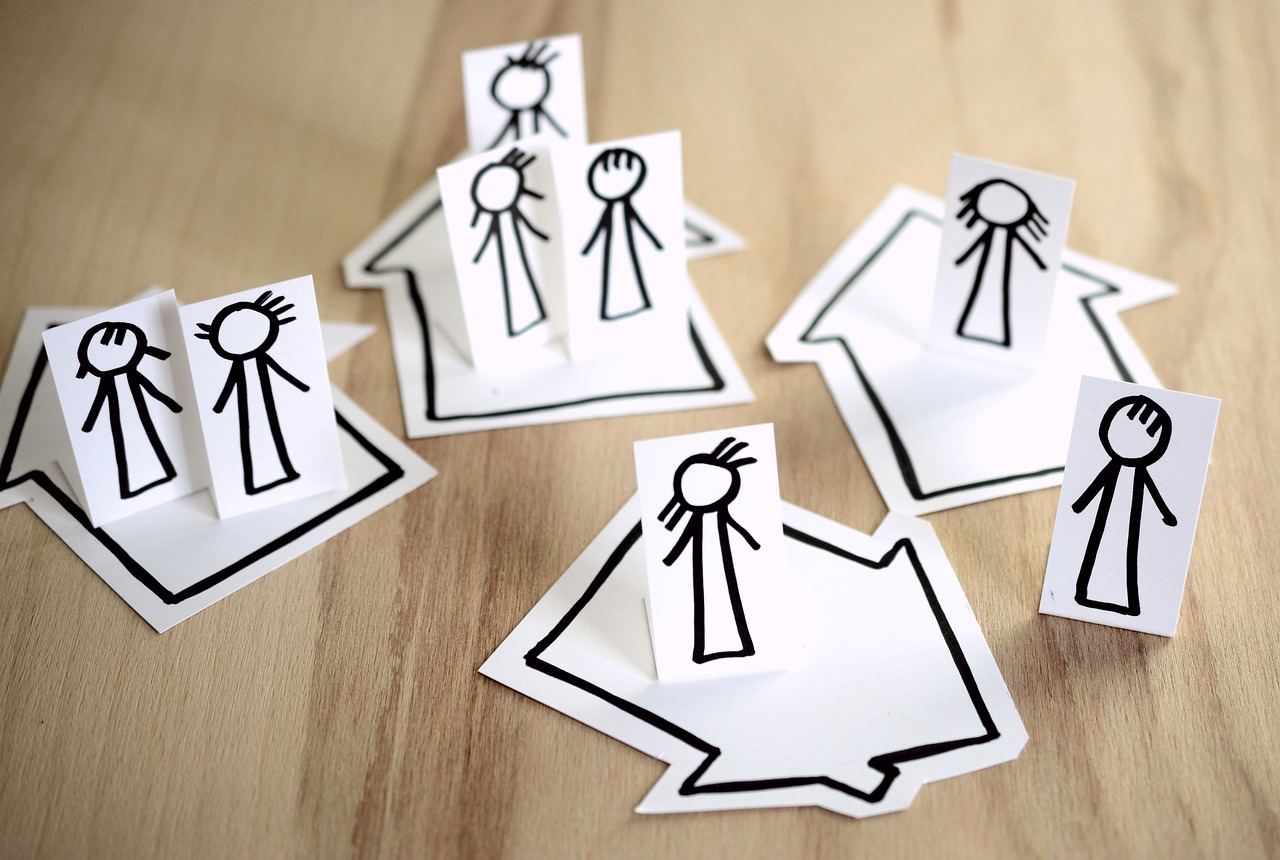
Cutout animation is a type of stop motion built from flat characters, props and backgrounds cut from paper, card, stiff fabric or photographs, as Wikipedia’s overview describes it. The cut pieces work as puppets that you reposition between shots.
The method is comparable to shadow play. The difference is that stop motion replaces the hands or mechanisms that would move flat puppets on a stage.
It has served two very different purposes. Cutouts have been a simple, cheap way to make children’s programs, as with Ivor the Engine. They have also been a highly artistic medium that stands further apart from hand-drawn animation.
How the technique works: joints and light
Three choices shape most cutout work: how the pieces connect, where the light comes from and how you shoot the result.
- Joints: figures can have joints made with a rivet or pin, and a computer simulates the same job with an anchor. These connections act as a mechanical linkage that produces a specific, fixed motion (Wikipedia).
- Light from below: Lotte Reiniger and films such as Twice Upon a Time (1983) used backlit animation, where the light source sits underneath (Wikipedia).
- Light from above: animators like Terry Gilliam use light coming from above (Wikipedia).
Gilliam’s work shows the collage side of the craft. Ready-made imagery has been used heavily in photomontage styles, for instance in his animations for Monty Python’s Flying Circus (1969-1975), according to the same Wikipedia page.
Because every pose becomes a still frame, the number of frames you shoot per second affects how smooth the motion looks. The guide to animation frame rate covers that choice in more depth.
Silhouette animation and Lotte Reiniger
Silhouette animation shows its characters only as black silhouettes. It is usually done by backlighting articulated cardboard cutouts, though other methods exist, says Wikipedia’s silhouette animation page.
Traditional silhouette animation as invented by Reiniger is a subdivision of cutout animation. The films are monochrome by tradition, with a solid black foreground and grey backgrounds. The paler the grey, the more distant the element appears, which creates an illusion of depth (same page).
Reiniger’s first directed film was Das Ornament des verliebten Herzens (1919), according to her Wikipedia biography. For Prince Achmed she manipulated cardboard cutouts and thin sheets of lead under a camera, per the film’s Wikipedia page.
A short history: from Prince Achmed to cel animation
An earlier feature exists on paper: Quirino Cristiani’s El Apóstol, released in 1917, but no copies of it are known to survive, per Wikipedia’s Reiniger article. That leaves Reiniger’s film as the oldest surviving animated feature, according to the Prince Achmed page.
The production was slow. Reiniger needed three years, from 1923 to 1926, and 24 frames were needed for every second of animation, although some sources mention 18 frames per second (Wikipedia).
Reiniger also used the first form of a multiplane camera on that film, one of the most important devices in pre-digital animation, according to the same page. Her wider career ran to more than 40 films, per her biography.
Cutout techniques stayed fairly common in animated films until cel animation became the standard method, at least in the United States, says Wikipedia.
Cutout films worth looking up
These titles show how different the technique can look from film to film.
- The Adventures of Prince Achmed (1926): a silhouette feature by Lotte Reiniger (Wikipedia).
- Le merle (1958): Norman McLaren’s mix of white cutouts and pastel backgrounds, set to a French folksong (Wikipedia).
- Heaven and Earth Magic: Harry Everett Smith finished it in 1962, using cut-out illustrations taken from 19th century catalogs (Wikipedia).
Cutout animation on a computer
The look has moved onto screens as well. South Park is a notable example of the transition, since its pilot episode was made with paper cutouts before the show switched to computer software, per Wikipedia.
If you want to try the digital route, the guide to the best animation software for beginners is a sensible place to start.
Frequently asked questions
Is cutout animation a kind of stop motion?
Show answer
Yes. It sits inside stop motion, and silhouette animation is in turn a branch of cutout work, as Wikipedia’s silhouette page explains.
Why did Japanese studios lean on cutouts early on?
Show answer
Cost was the reason. Celluloid was too expensive, so Japanese animation mostly used cutout techniques rather than cel animation before 1934, according to Wikipedia.
Do you need physical paper to make it?
Show answer
No. Scanned images or vector graphics can take the place of physically cut materials, and cutout-style animation is now frequently produced on computers (Wikipedia).